Author: mw_admin

The NPR 150 Barrier: How a Packet of Salt and a Plastic Tray are Reclaiming Health in Nepal’s Remote Ridges

Background

In the steep, rugged ridges of the Gandaki Rural Municipality, the path to a clinic is often more than a physical trek—it is a test of faith. For the Chepang community living in the shadows of these mountains, the distance between a village and a medical facility isn’t just measured in kilometers, but in the “Trust Gap.” This gap is the silent chasm where modern medicine exists on paper, but local families choose the familiar, albeit expensive, private pharmacies in the market over the government’s promise of free care.

Historically, the Prajabasti Community Health Unit (CHU) in Beltar stood as a quiet sentinel that few visited. Despite offering essential services, it was bypassed by those it was meant to serve. When a child fell ill or a woman became pregnant, the instinct was to avoid the government facility, fearing a lack of quality or facing social barriers that made the clinic feel like a world away. This disconnect meant that mothers were missing critical prenatal windows and children were growing up without the most basic health monitoring.
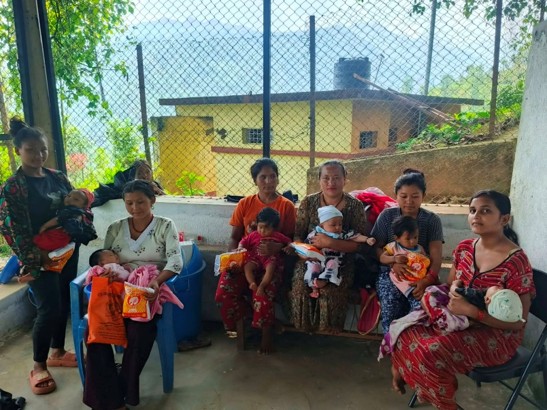
Closing this gap required more than just keeping the doors open; it required a radical reimagining of how health is delivered. By partnering with the local government, the Tara Namaste Foundation didn’t just fund a clinic—they championed a shift in community psychology. Through a series of small, localized innovations, they began to turn the Prajabasti CHU into a trusted pillar of the community, proving that sometimes, the road to a health revolution is paved with simple, tangible gestures.
The High Price of a “Free” Pregnancy Test

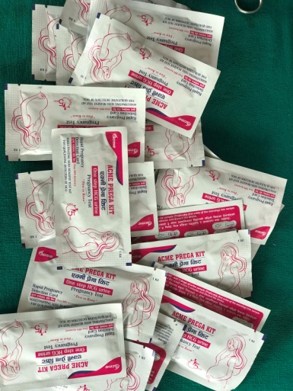
For a subsistence farmer in the Chepang community, the word “free” can be a deceptive myth. Previously, for a woman to confirm a pregnancy, she had to endure a grueling journey to a distant facility and pay approximately NPR 150 for a test kit. When you factor in the cost of travel and the loss of a day’s labor, that “free” government care at the end of the road felt prohibitively expensive. Consequently, most women didn’t seek care until the very end of their term, arriving at the clinic only when it was time to give birth.
By localizing free pregnancy test kits at the Prajabasti CHU, the Foundation removed the financial and logistical gatekeepers of prenatal care. The impact was immediate: women began confirming their pregnancies in the first month. This early entry point allows the health system to provide nine months of support rather than a single day of crisis management. It reveals a vital global health truth: to make a service accessible, you must first eliminate the “hidden costs” that make the marginalized stay home.
Salt as a Life-Saving Incentive

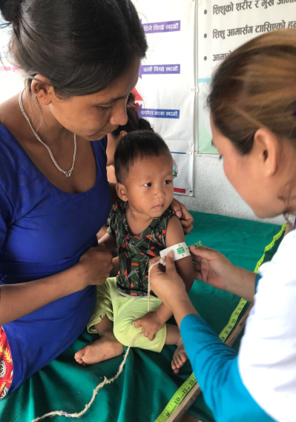
Routine is the bedrock of health, yet in remote regions, convincing a healthy-feeling person to attend a “check-up” is a difficult sell. To bridge this, the initiative pivoted to a brilliant, localized incentive: one kilogram of iodized salt. Each month, mothers who attend their regular antenatal care (ANC) check-ups or bring their children under the age of two for growth monitoring receive this essential household staple.

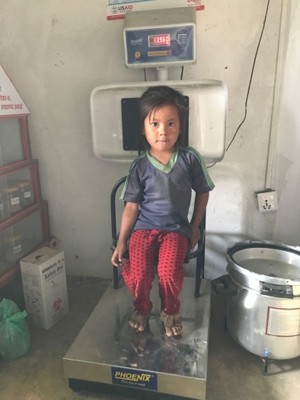
While the salt itself is a nutritional necessity, its primary power is psychological. It transforms a medical appointment into a rewarding community habit. These visits allow health workers to use weighing machines to track a child’s growth, catching the first whispers of malnutrition before they become a roar. By using a small, tangible reward, the program has successfully shifted health-seeking behavior from reactive to preventive, ensuring that the health of the next generation is tracked one kilogram of salt at a time.

The “Poshan Nanglo” (Nutrition Tray) Approach

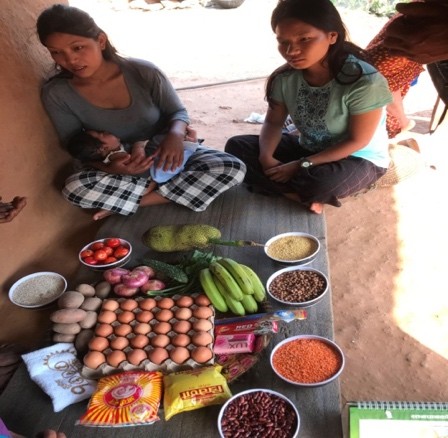
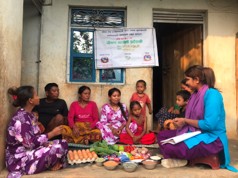
The “Poshan Nanglo” or Nutrition Tray program represents a masterclass in culturally familiar healthcare. Designed for women in their first four months of pregnancy and the first week after childbirth, the program uses the Nanglo—a traditional, flat woven tray—as a vessel for health education. Instead of importing sterile, foreign nutritional supplements, the tray is filled with the promise of local foods, kitchen gardening tips, and breastfeeding education.
The symbolism of the Nanglo is intentional; it signals that health does not have to be an external “gift” from an NGO but can be grown in one’s own backyard. By encouraging families to improve their kitchen gardens to grow green vegetables, the program ensures sustainability. It moves the conversation from “what we can give you” to “what you can cultivate,” turning a simple household item into a powerful tool for long-term nutritional independence.
Why Hygiene Kits Build Medical Trust

Building legitimacy in a medical facility often starts with addressing the most basic, non-medical needs of a family. The Foundation recognized that to get people through the clinic doors, they needed to provide items that improved daily life immediately. They began distributing support materials that included soap, shampoo, baby diapers, body lotion, sanitary pads, toothbrushes, toothpaste, masks, nail cutters, and—crucially—the weighing machines needed for growth monitoring.

These kits serve as “entry points” for skeptical families. A mother might visit the Prajabasti CHU for a bar of soap or a nail cutter, but once inside, she is introduced to a nurse, a vaccine, or a growth chart. These non-medical items act as the social glue that binds the community to the health system. It is a counter-intuitive but essential lesson: medical engagement is often won not through a stethoscope, but through a toothbrush or a clean diaper.

Voice from the Frontlines

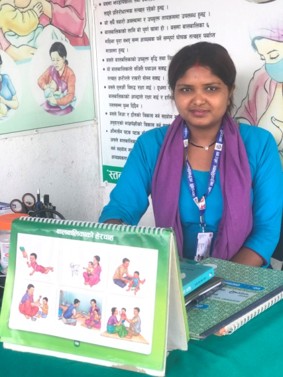
The transformation of the Prajabasti unit is best understood through the eyes of those standing on its frontlines. Ms. Rima Mundel, the In-charge of the Community Health Unit, has witnessed the shift from empty halls to a bustling center of care:

“I joined the Community Health Unit about five months ago. At that time, very few people came to the health facility. After working closely with the Tara Namaste Foundation and implementing activities such as free pregnancy testing, iodized salt distribution, and the Poshan Nanglo Program, we have seen a significant increase in the number of Chepang families visiting the health facility. More pregnant women and other community members are coming for regular health check-ups, and more parents are bringing their children under two years of age for monthly growth monitoring. I believe these activities have improved the community’s health, nutrition, and health-seeking behaviour. The Foundation’s close coordination with the Community Health Unit has made it easier to work with the community and has greatly strengthened the quality of our health services.”
The Paradox of the “Missing Medicine”

However, the journey to total community trust faces a fragile paradox. While the Government of Nepal provides 98 types of essential medicines for free at the Prajabasti CHU, there is a glaring absence of the most common treatments: cough and cold syrup for children and adults. In a remote mountain village, these “minor” ailments are the most frequent reason a parent seeks help.

When a mother makes the trek to the clinic only to find there is no syrup for her child’s cough, the facility’s credibility takes a massive hit. To the community, it doesn’t matter if the clinic has 98 other drugs; if it cannot treat a simple cold, how can it be trusted with a complicated pregnancy? This “legitimacy gap” reminds us that a health system is only as strong as its ability to treat the uncomplicated. For the Chepang families, the availability of basic cough medicine is the metric by which they judge the entire government health system.

Conclusion: Beyond the Clinic Walls

The success at the Prajabasti Community Health Unit in Gandaki Rural Municipality is a testament to the power of coordination over mere funding. By removing the financial barriers to diagnostics, providing culturally resonant incentives, and focusing on the small tools of hygiene, the Tara Namaste Foundation and the local government have fundamentally changed the health landscape for the Chepang community.
This transformation suggests that the most persistent global health gaps aren’t always solved by massive infrastructure or high-tech breakthroughs. Instead, they are bridged by the small, localized interventions that address the human element of medicine. It leaves us with a compelling question: If a packet of salt and a woven tray can reclaim the health of a mountain community, what other “small” solutions are we overlooking in our quest to heal the world?
From falling into debt to becoming a ‘living bank account’:A path to financial security

The starting point: When traditional work is not enough to make ends meet

Som Bahadur Chepang, a 33-year-old smallholder farmer from Gorkha, Nepal, is a prime example of the socio-economic vulnerability of rural producers. Despite working tirelessly on his small plot of land, measuring just 2 ropani (approx. 1,000 m²), his livelihood was characterized by extreme insecurity for over a decade. The purely conventional cultivation of vegetables did not provide a stable livelihood, as it left the farmer unprotected against market forces.

The following table analyses the structural barriers that hindered Som Bahadur’s economic progress:

ChallengeEconomic causeConsequences for the family
Limited land area
(2 Ropani)
Lack of economies of scaleLimited capacity for subsistence farming and surplus for the market
Market volatilityLack of storage capacity for cucumbers and beans; selling below value during harvest surpluses.Despite good harvest yields, the proceeds were not sufficient to cover fixed costs.
Mono structureTotal dependence on perishable vegetable varieties.Crop failures or price crashes led directly to insolvency.
Debt spiralLack of liquid reserves for emergencies.Need to borrow from neighbors; increasing interest rate pressure.

The core problem was not a lack of hard work, but the inability to preserve value. Whilst his cucumbers and beans had to be consumed quickly or sold at rock-bottom market prices, there was no ‘buffer asset’. Hard work without strategic diversification and access to stable tangible assets often leads to a vicious circle that cements poverty across generations.

The turning point: Targeted investment and knowledge-building

The transformation began with an intervention by the Tara Namaste Foundation, which went beyond mere charity and focused on strengthening human capital. The approach was based on three complementary pillars:

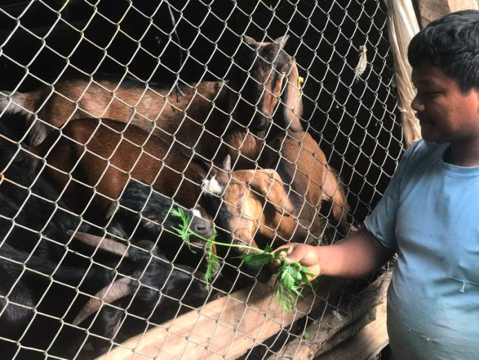
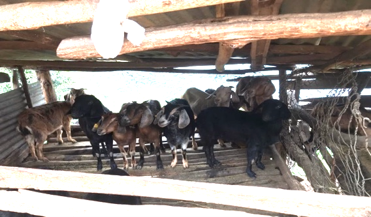
  • Materials: Provision of building materials for a hygienic and functional goat shed.
  • Start-up capital: Provision of a goat as ‘biological start-up capital’ to initiate a breeding cycle.
  • Technical training: Comprehensive training in modern animal husbandry and resource management.

A striking example of the ‘so-what effect’ of this training is the production of mineral blocks from local resources. From a technical perspective, this is a highly effective intervention: prior to the training, the goats suffered from what is known as pica syndrome – a condition characterized by licking soil and mud due to mineral deficiency. This leads to parasitic infestations and growth disorders. The mineral blocks remedied this deficiency; the animals became more resilient, grew faster and reached sexual maturity on schedule. Local knowledge trumps pure capital here, as it reduces operating costs and promotes self-sufficiency.

Som Bahadur reflects on this learning process:

“I learnt modern goat-rearing techniques and how to make mineral blocks from local resources. Now my goats are healthier, and I earn an income from breeding them.”

This solid knowledge base enabled the transition from mere animal husbandry to strategic livestock farming.

The concept of the ‘living bank account’

The metaphor of the goat as a ‘living bank account’ is central to the economic resilience of poor families. Unlike vegetables, which must be sold immediately when market prices are low, the goat acts as a ‘store of value on legs’. The value of the herd grows through natural reproduction and biological growth, regardless of daily market fluctuations.

The process of reinvestment and scaling followed a strict entrepreneurial logic:

  1. Avoiding immediate consumption: Rather than slaughtering or selling the first offspring to meet short-term consumption needs, the herd was consistently preserved.
  2. Targeted herd expansion: The application of new knowledge drastically reduced the mortality rate of young animals.
  3. Growth through reinvestment: Proceeds from partial sales were used to purchase additional animals and improve the herd’s genetics.
  4. Successful scaling: Within just two years, Som Bahadur built up a herd of eleven animals (nine females, two males) from a single goat.

With an annual income of over NPR 40,000 from goat sales, he has created a stable second source of income. His key conclusion is:

“When vegetable prices are low, I still have my goats. My goats are my bank. For poor families, goats are like a savings account.”

The Dividend of Security: Education and Diversification

Financial stability is not an end, but a catalyst for social development. The most important return on this investment is securing an education. Som Bahadur’s two children now attend the state school regularly, as the running costs are no longer covered by occasional loans but by profits from breeding.

An often-underestimated socio-economic factor is the preservation of family unity. Before the project, Som Bahadur was considering leaving his home to work as a migrant labourer in the city or abroad – a step that often leads to alienation and social instability. Success on his own land prevented this migration.

The security he gained boosted his self-confidence and enabled further diversification:

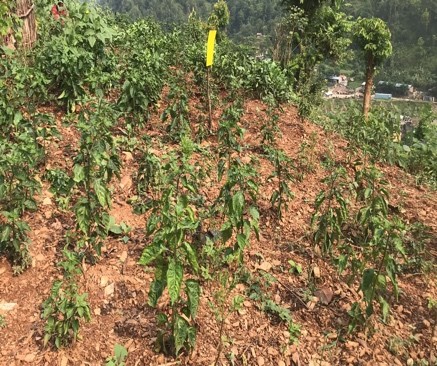
  • A successful fresh start: He planted 300 Akabari chilli plants.
  • The follow-up factor: Whilst an earlier attempt failed due to a lack of knowledge and motivation, this time the Foundation’s ongoing support – through field visits and telephone advice – ensured success.

True livelihood security means having the freedom to make long-term decisions without the paralyzing fear of where the next meal will come from.

Lessons for practice: What learners can take away from this case

The case study of Som Bahadur Chepang offers universal insights for sustainable development projects:

  • Knowledge before capital: Material aid comes to nothing without the necessary know-how. Addressing the mineral deficiency (pica syndrome) through local knowledge was the real driver of growth.
  • Wealth creation rather than consumption: Forgoing short-term liquidity in favor of building up a herd (‘savings account’) is the basis for prosperity.
  • Monitoring as a guarantee of success: It was only through regular field visits and follow-up support that an unstable experiment was transformed into a sustainable business model (example: chilli cultivation).
  • Social resilience: Economic success secures the livelihoods of local families and prevents risky labor migration, thereby strengthening the region’s social capital.

Som Bahadur’s journey impressively demonstrates that the transition from ‘getting into debt’ to financial independence is no coincidence, but rather the result of a combination of strategic resource management and continuous professional support.

From Poverty to Self-Reliance: How a Young Mother Breaks the Cycle of Dependence

The Burden of One’s Origins and a Glimmer of Hope

For a long time, Kabita Kumal Chepang’s life seemed to be predetermined by the structural limitations of her homeland. At just 23 years of age, the young woman from Burtibang in Baglung District looks back on an educational journey that was abruptly cut short by abject poverty. Although she attended school up to Year 10, a lack of financial resources forced her family to take her out of school – a fate that often nips the potential of an entire generation of young women in Nepal in the bud. About five years passed after she left school before Kabita got married. Two years ago, she finally moved into her husband’s house. There, however, she did not find a fresh start, but rather a continuation of the familiar hardship. She found an old house whose resources were barely enough to survive on. Her husband was forced to try his luck as a casual laborer far from home, whilst Kabita remained behind with her elderly parents-in-law. The family’s barren land lay fallow or was farmed by strangers, as the household lacked the strength and resources to cultivate it. “I was sad and often wondered why I had married into such a difficult situation,” recalls Kabita. Amidst this resignation, one crucial question stood out: how could a single goat, combined with the right knowledge, provide a way out of chronic dependency?
The multiplier effect: Why a goat is more than just an animal

The turning point in Kabita’s life began with a small, strategic helping hand. Whilst her mother gave her first goat, the Tara Namaste Foundation provided a second young goat as part of its livelihood program. In development economics, small livestock herds are regarded as ‘living savings accounts’: They are resilient, ideally suited to the challenging terrain in Baglung, and, thanks to their reproduction rate, offer a natural form of compound interest. Through consistent care and the use of efficient breeding methods, the herd grew rapidly within a short space of time. What started as a pair has now grown into a sizeable herd, providing Kabita with a completely new economic foundation. “I now have three female and five male goats. I would like to expand my goat shed and increase the number of animals further.” This low-threshold approach is so effective because it enables women to become productive directly within their home environment. What was once purely a subsistence economy has become a micro-enterprise; Kabita now confidently sells her surplus produce at the local market.

Knowledge as the most important asset: Beyond mere distribution

Material aid alone often proves ineffective if it is not accompanied by education. Although Kabita possessed basic traditional knowledge of vegetable growing, it was only through targeted training that she was able to raise her productivity to a professional level. The foundation therefore consistently invested in building human capital. The training focused on:

  • Modern goat farming: Advanced techniques for breeding, pen hygiene and keeping the animals healthy.
  • Efficient agriculture: Methods for increasing yields on barren soils, taking climatic conditions into account.
  • Kitchen gardening: The establishment and optimization of kitchen gardens to ensure the family’s nutritional needs are met and to generate market revenue.

The Architecture of the Future: The Power of the First 1,000 Days

A central aspect of Kabita’s transformation is the realization that economic stability is inextricably linked to the health of the next generation. Through the ‘Poshan Nanglo’ program, she learnt about the critical importance of the first 1,000 days in a child’s life. This knowledge of nutrition, hygiene and breastfeeding practices forms the foundation for breaking the vicious cycle of poverty in the long term. Her six-month-old baby is now being cared for according to modern standards: in addition to breast milk, the baby receives targeted complementary foods and is taken to the health center in Beltar every month for growth monitoring. “I don’t want my child to face financial difficulties or must drop out of school because of a lack of money, as happened to me. That’s why I work hard every day for my family and my child’s future.”

The shift in identity: from dependence to self-reliance

Her economic activity has fundamentally transformed the psychological landscape of Kabita’s life. Whereas she used to be almost entirely dependent on her husband’s irregular remittances, she is now a co-breadwinner. A key moment in this development has been the diversification of her income streams: alongside goat farming, she has carved out a lucrative niche in the market by growing Akabare chillies. Even though her total income is still modest at present, the quality of her life has changed radically. It is the predictability of her earnings and the autonomy she has gained in emergencies that fuel her newfound self-confidence. Kabita is no longer a passive recipient of handouts, but an active agent who plays a hands-on role in shaping her family’s dynamics.

The next hurdle: the reality of infrastructure

Despite the impressive progress, the path to complete self-sufficiency remains a challenge. Empowerment is not a one-off event, but an ongoing process that repeatedly comes up against structural limitations – in this case, the acute water shortage in the region. To scale up her farming and livestock rearing, Kabita is already planning the next logical step: the construction of a plastic-lined water reservoir for controlled irrigation. This concrete plan illustrates her changed mindset: she no longer waits for chance opportunities but identifies infrastructure gaps and actively seeks solutions to secure her independence.

A dream becomes a reality

The story of Kabita Kumal Chepang impressively illustrates what ‘Help to Self-Reliance’ means in practice. It is not about the short-term alleviation of symptoms, but about providing start-up capital combined with sustainable knowledge. A young woman who once resignedly questioned her difficult life situation has become a determined small business owner. The crucial question for the international community remains: how must aid be structured so that it does not create new dependencies, but instead empowers people like Kabita to take the long-term control of shaping their own future into their own hands?

Why Breakfast and Goats are the Secret to Education in the Himalayas

Invisible Barriers of Education

In the global effort to achieve universal education, we often focus on textbooks, teacher training, and classroom infrastructure. However, for many children in the remote corners of the world, the most significant obstacle to learning isn’t a lack of books; it is the “invisible barrier” of hunger. When a child arrives at school on an empty stomach, the brain’s capacity to concentrate, participate, and retain information is fundamentally compromised. In the high-altitude villages of Nepal, this reality often means that even when a school is available, its classrooms remain half-empty.
In the village of Baltar (Ward No. 7) within the Gandaki Rural Municipality, the students of Shree Praja Jyoti Basic School face this barrier daily. Every child here belongs to the Chepang community, an indigenous and marginalized group that has historically relied on seasonal daily wage labor, subsistence agriculture, and goat rearing. Because this labor is inconsistent, many families endure chronic food shortages. This economic instability creates a heartbreaking choice: children often skip school because breakfast isn’t ready on time, or simply because it doesn’t exist at all.
This small institution, which serves 66 students from Nursery to Grade 3, faced a critical attendance crisis that threatened the future of the village’s youth. Rather than focusing solely on traditional curriculum improvements, the Tara Namaste Foundation looked beyond the school gates. They asked a pivotal, curiosity-driven question: What if the solution to poor attendance wasn’t found in a new syllabus, but in the community’s kitchens and farms?

Feeding the Body Feeds the Mind

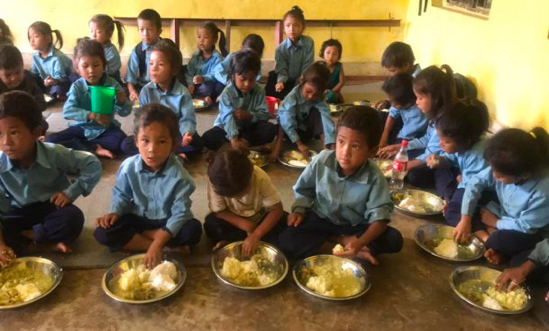
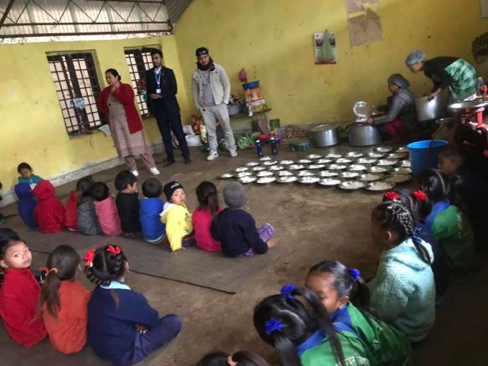
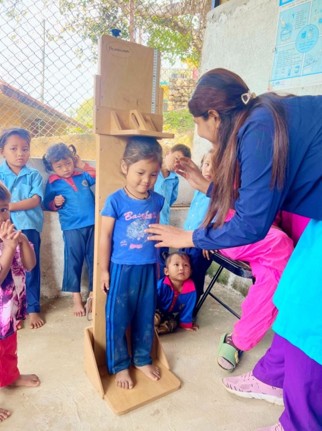
The program identified a direct, undeniable correlation between nutrition and classroom presence. Students weren’t skipping school due to a lack of interest or parental apathy; they were staying home because of the timing and availability of meals. To dismantle this barrier, the foundation began providing a daily nutritious morning meal for every student.
This intervention highlights a counter-intuitive truth in international development: the solution to improving grades often has nothing to do with more homework. By providing a hot meal, the school removed the primary driver of tardiness and absence. The impact is best summarized by Grade 3 student Anmol Chepang:

“The daily school meal gives me energy to study, and the English classes have helped me become more confident. I also enjoy playing games with my friends during school.”

Language as a Bridge to Confidence

Beyond physical nutrition, the foundation prioritized the quality of education by employing a specialized English teacher. For children from the marginalized Chepang community, who are often socially and economically isolated from the national mainstream, mastering a global language is about more than just vocabulary—it is about finding their voice.
Mastering English serves as a powerful psychological tool, transforming how these children perceive themselves. It builds a bridge of confidence that allows them to navigate a wider Nepalese society that has often overlooked them. By providing high-quality language instruction, the school isn’t just teaching a subject; it is equipping indigenous students with the self-assurance needed to advocate for themselves and their community in the years to come.

Livelihoods Beyond the School Gates: The “Goat Economy”

For educational gains to endure, a program must stabilize the household income supporting the student. However, Shree Praja Jyoti Basic School faced a specific challenge: it only provides education up to Grade 3. Once a child graduates, they must transition to nearby schools to continue their journey. This “Grade 3 cliff” is where many children drop out because their parents cannot afford the additional costs of continued education.
The “Goat Economy” was designed to bridge this gap. By providing families with livestock—specifically goats and chickens—alongside support for kitchen gardening, the foundation created a long-term financial engine. This livestock isn’t just for immediate food; it is a savings account on four legs. When a child finishes Grade 3, the income generated from commercial goat rearing and agricultural sales provides the financial bridge parents need to afford the transition to Grade 4 and beyond.

The Friday Prize: Incentivizing More Than Just Grades

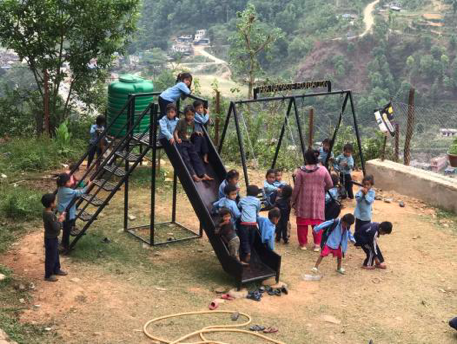
The school employs a “Weekly Reward Program” to motivate students to excel in areas that aren’t always captured on a report card. Every Friday, the school becomes a space of joy as prizes are awarded to a student from each class. This system is bolstered by the provision of sports and play materials—including swings and games—turning the school into a sanctuary for social development.

To win a “Friday Prize,” students must excel in:

  • Regular attendance: Ensuring they remain consistent in their studies.
  • Personal hygiene and cleanliness: Fostering health in a region with limited medical access.
  • Good behavior and cooperation: Building a culture of mutual respect.
  • Regular completion of homework: Strengthening academic discipline.

By rewarding hygiene and behavior alongside play, the school reinforces that personal character and well-being are just as vital as academic scores. Even holistic health is prioritized, with initiatives like organized “Eye Camps” ensuring that physical ailments never become a barrier to learning.

Community-Led Growth: Creating a Hyper-Local Circular Economy

The program’s design ensures that the school serves as the heart of the community’s economic health rather than just a destination for aid. By creating three specific local jobs—one specialized English teacher and two kitchen staff members—the program keeps employment and expertise within the village of Baltar.
Furthermore, the foundation prioritizes the use of locally available food items and vegetables for the school meals. This creates a hyper-local circular economy: the foundation’s investment flows directly to local farmers, which in turn supports the very families whose children are eating the meals. This strategy reduces costs, supports local agricultural production, and ensures the program is built on a foundation of community-led growth.

Conclusion: A Holistic Path Forward

The transformation at Shree Praja Jyoti Basic School proves that education cannot exist in a vacuum. By addressing nutrition, language skills, and family livelihoods simultaneously, the program provides a blueprint for what truly “holistic” development looks like. It moves beyond the idea of a school as merely a place of instruction and reimagines it as a center for community health, economic stability, and social justice.
As we look toward the future of educational reform in marginalized areas, we must broaden our lens. When we redefine a school as a farm, a kitchen, and a community employer all at once, we stop just fixing schools and start transforming entire communities.

Update on the goat project – Sustainable aid that continues to grow

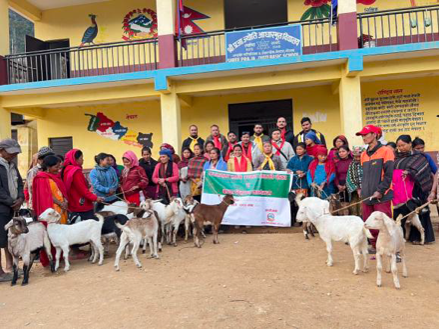
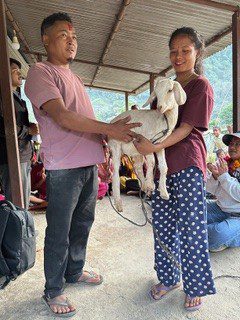
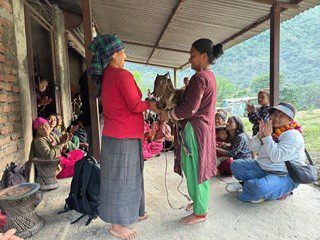
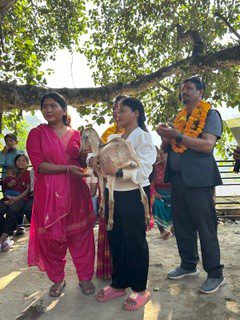
Almost two years ago, we were able to launch this special project in the village of Chepang: 58 goats were given to 58 families as start-up aid for food security and their own income. Today, we are delighted to see that the first milestone has been reached.

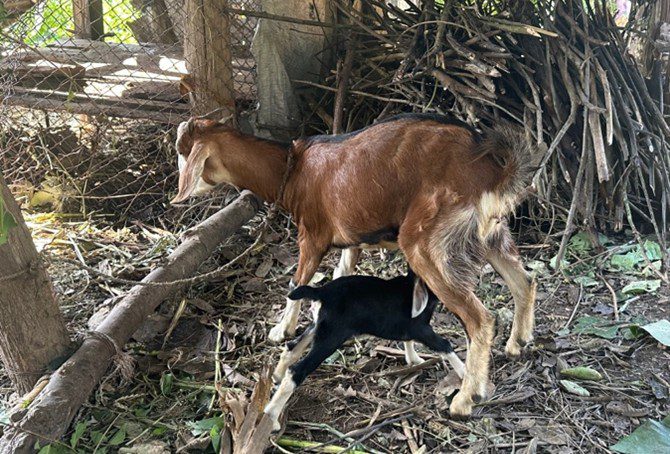
Since then, 56 healthy young goats have been born and passed on to other families as part of the project. Two kids are still small and with their mother; they will be handed over as soon as they are big enough. In this way, the aid continues to grow step by step – from family to family, and hopefully from generation to generation.

Goat breeding is intended to help strengthen the independence, sense of responsibility, and economic stability of the families. We will continue to accompany and support the families wherever necessary to enable a sustainable improvement in their living conditions.

We are very grateful for this success – and for everyone who made this project possible.

December 2025 lv

A New Smile, A New Beginning for Aksha Chepang

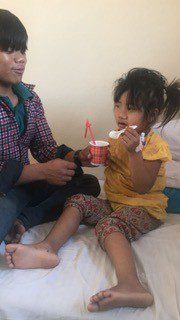
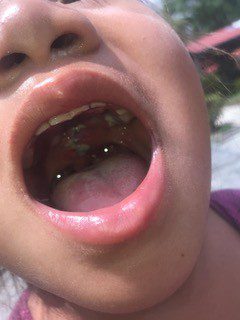
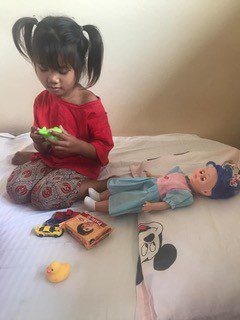
Five-year-old Aksha Chepang was born with a cleft palate. Because of this condition, she faced challenges in her education, as well as difficulties in speaking and eating properly. During a field visit, the Tara Namaste Foundation (TNF) met Aksha and promised her family to help her receive the medical treatment she needed.

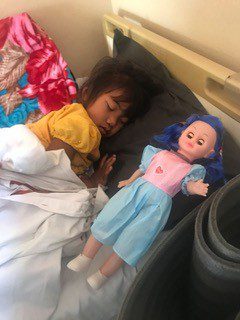
With the kind support and coordination of Dr. Prakash Kalika Pud asaini, and with the help of Sushma Koirala Memorial Hospital in Sankhu, Kathmandu, Aksha underwent a successful cleft palate surgery. After 13 days of care at the hospital, Aksha and her father returned home with joyful hearts and bright smiles.

We are deeply grateful to everyone who helped make this life-changing journey possible. A special thank you to Dr. Prakash; Surgeon Dr. Manohar Yadav; Anaesthetist Dr. Christiane; and the entire team at Sushma Koirala Memorial Hospital. We also extend our sincere thanks to Dr. SSB, MKY, RB, and Michael for their ongoing support and collaboration.

This was just thefirst surgery, Aksha will need two more surgeries for the complete treatment of her cleft palate. The Tara Namaste Foundation will continue to cover all medical costs to ensure she receives the full treatment and a brighter future.

December 2025 lv

Kumari Chepang

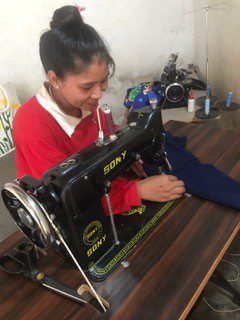
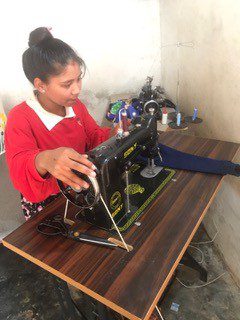
Kumari lives in our Chepang community with her husband and 7-year-old daughter. She is a housewife and her husband is a laborer with an irregular income. To feed her family, she grows seasonal vegetables and raises goats. She is also the team leader of the Beltar Group (Beltar goat breeding group). Kumari is honest, hardworking, and always interested in discovering new opportunities for her family and her community. That’s how she came up with the idea of a tailor shop.

There are no local tailors who make clothes in the entire community. So we supported her idea and enabled her to train as a tailor.

Kumari began her tailoring training in March 2025 and has now successfully completed it. She is eager to establish herself in this field. To do so, she needed the appropriate equipment, such as a sewing machine and accessories. Tara Namaste helped make this possible, and she is now looking forward to starting her small business.

Kumari now has the opportunity to establish herself in the tailoring trade and contribute to her family’s livelihood in a sustainable way. This is a positive example of individual direct aid for all involv ed.

Visit to Chepang Village November 2025 – Shaping the future together

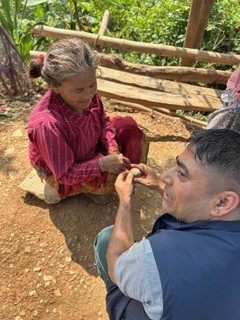
Our visit to Chepang Village was marked by noticeable changes, open encounters, and a great deal of mutual confidence. It is clear to see how the village is developing step by step – driven by the great commitment of the local people and a shared vision for a sustainable future.

Close cooperation with the village community is particularly important to us. We want to develop the village not for, but with the people, strengthening their independence and creating long-term prospects.

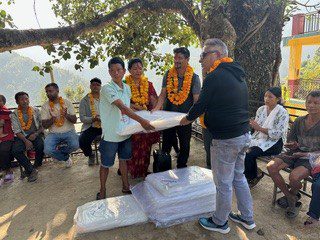
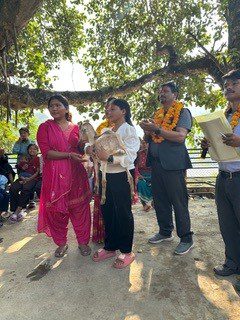
An impressive example of this is our goat project: two years ago, 58 goats were given to 58 families. Since then, 56 young goats have been successfully passed on to other families. This snowball effect shows how sustainable the project is – income, food security, and responsibility are growing together.

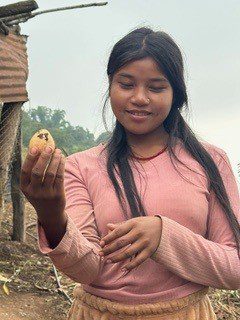
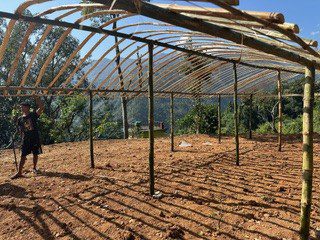
In agriculture, too, we are working together to secure the future. During our visit, we launched two pilot projects: 110 avocado seeds were distributed and eight families were given covers for plastic tunnels, which make cultivation more resistant to the effects of climate change. These measures are intended to improve agricultural production, secure harvests, and create new income opportunities – even under increasingly difficult climatic conditions.

In this way, we are jointly exploring new avenues in agriculture. Their development is being carefully monitored so that we can learn from the experience and, if the results are positive, enable other families to benefit.

We were deeply impressed by the openness, drive, and hope we encountered in the village. Together with the local people, we want to continue on this path – step by step, sustainably, and with confidence in what can be achieved.

Travel Report 2025

Visit to the children’s home in Nepal – A reason for great joy

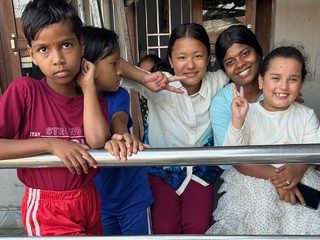
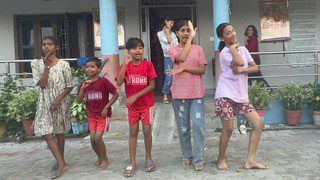
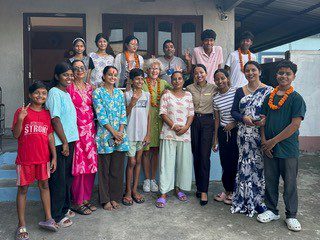
Our most recent visit to the children’s home in Nepal was a very special experience for us – full of joy, gratitude, and confidence. The children are developing wonderfully, and it was great to see how much self-confidence, zest for life, and stability they have gained. The home is filled with laughter, mutual respect, and a strong sense of community.

An emotional highlight was saying goodbye to three young women who have now been released into independent living. This step makes us particularly proud: once vulnerable children, they have become responsible, strong young adults who are now going their own way. This moment is a touching reminder of how sustainable and effective our joint work is.

The joy at this success was palpable for everyone—the young women themselves, the children, the team on site, and us. It gives us courage, strength, and great hope for the future.

We would like to express our heartfelt thanks to everyone who makes this valuable work possible and who accompanies and supports the children on their journey.

Visit to Chepang Village November 2025 – Shaping the future together

Our visit to Chepang Village was marked by noticeable changes, open encounters, and a great deal of mutual confidence. It is clear to see how the village is developing step by step – driven by the great commitment of the local people and a shared vision for a sustainable future.

Close cooperation with the village community is particularly important to us. We want to develop the village not for, but with the people, strengthening their independence and creating long-term prospects.

An impressive example of this is our goat project: two years ago, 58 goats were given to 58 families. Since then, 56 young goats have been successfully passed on to other families. This snowball effect shows how sustainable the project is – income, food security, and responsibility are growing together.

In agriculture, too, we are working together to secure the future. During our visit, we launched two pilot projects: 110 avocado seeds were distributed and eight families were given covers for plastic tunnels, which make cultivation more resistant to the effects of climate change. These measures are intended to improve agricultural production, secure harvests, and create new income opportunities – even under increasingly difficult climatic conditions.

In this way, we are jointly exploring new avenues in agriculture. Their development is being carefully monitored so that we can learn from the experience and, if the results are positive, enable other families to benefit.

We were deeply impressed by the openness, drive, and hope we encountered in the village. Together with the local people, we want to continue on this path – step by step, sustainably, and with confidence in what can be achieved.

Rita Chepang – Saran Chepang

Rita Chepang is a single mother of three children. She has no regular income and struggles with mental health problems.

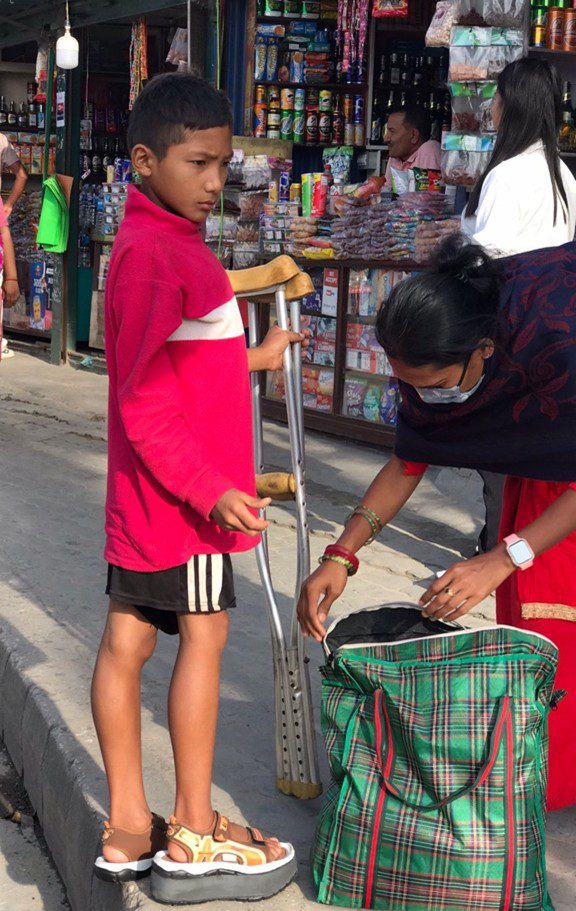
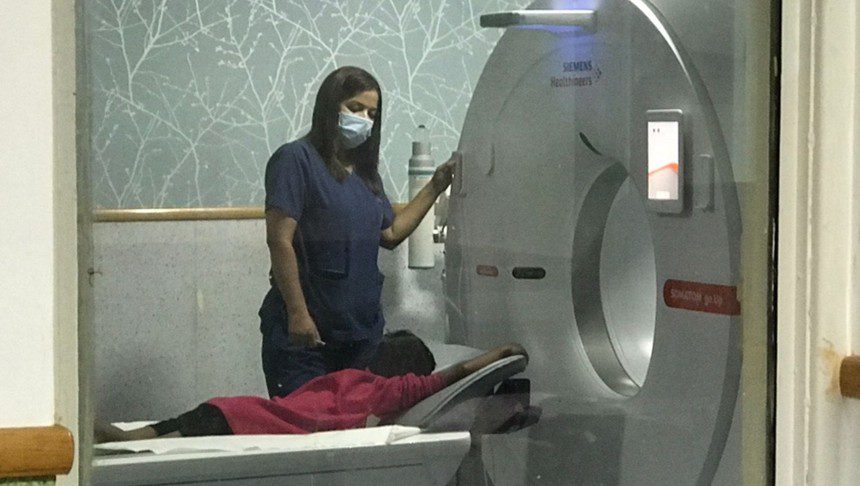
Saran (see separate report) is the eldest of the three children and is now 13 years old. The latest examinations have been completed and no surgical interventions are planned. With the help of new shoes (extra sole for the shorter leg) he can now walk without crutches.

The support for Saran continues. His education is important and so we will support his mother and cover his school fees.

Rita has a great desire to improve her income opportunities with goat farming. She will receive a young goat from our program and we will continue to support her with two additional goats. She is motivated and the accommodation for the goats is ready.

Thanks to the support of a Swiss donor, we can make this possible.

Dezember 2024 lv

Address

Headquarter:
Tara Namaste Foundation
c/o CSC Company Structure Consulting AG
Landstrasse 63
FL-9490 Vaduz


Swiss branch:
Tara Namaste Foundation
Lilo Veraguth-Holenweger
Waltenschwilerstr. 16a
5610 Wohlen


Nepal branch:
Tara Namaste Foundation Nepal
407 Pahiko Sadak, Nayabazar
NP-Kathmandu-16

Donation

Donation account
Liechtensteinische Landesbank AG
FL-9490 Vaduz

IBAN: LI63 0880 0562 1502 1200 1
BIC / SWIFT: LILALI2X

Beneficially:
TARA NAMASTE FOUNDATION
c/o CSC Company Structure Consulting AG
Landstrasse 63, FL-9490 Vaduz